
The Connection Between Eye Exams and Systemic Health
Blog:The Connection Between Eye Exams and Systemic Health
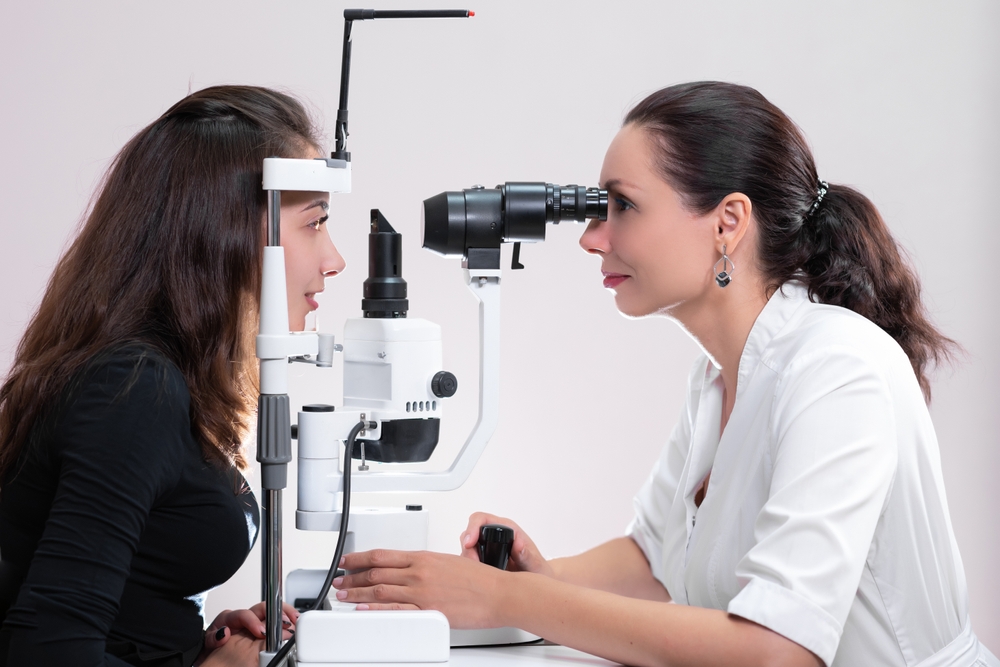
Most of us think an eye exam is just about checking our vision. We assume the doctor is looking to see if we need glasses or a stronger prescription. And while that’s an important part, it’s not the whole story.
The truth is that your eyes are more than just windows to the world. They are a unique window into your body. A full eye examination allows your eye doctor to examine the health of your nerves, blood vessels, and connective tissue, all without a single incision. This vantage point can reveal early signs of health issues happening elsewhere in your body.
Your Eyes: A Window to Your Overall Health
The back of your eye, called the retina, is the only place in the body where we can see blood vessels directly. By examining these delicate vessels, your eye doctor can spot early warning signs of problems that affect your entire circulatory system.
Think of it like this: if the small blood vessels in your eyes are showing signs of damage or strain, it’s often a clue that similar things might be happening to blood vessels in other critical areas, like your heart, brain, or kidneys. An eye exam can act as an early detection system for conditions you might not even know you have.
What Your Doctor Might Find
During a dilated eye exam, when your pupils are widened with special drops, your doctor gets the best view. Here are some of the health conditions that often show early signs in the eyes:
- Diabetes: One of the most common findings is diabetic retinopathy. High blood sugar can harm the delicate blood vessels in the retina. This leads to weakening or leakage that may affect vision over time. Often, this appears in the eyes long before a person notices other symptoms, leading to a crucial early diagnosis.
- High Blood Pressure: Uncontrolled hypertension can cause the retinal blood vessels to narrow, kink, or even bleed. These changes, called hypertensive retinopathy, are a clear sign that your body is under pressure.
- High Cholesterol: A tell-tale sign can be a blue or yellow ring around the cornea. In younger adults, cholesterol deposits might appear as bumps on the eyelids. These signs can prompt a recommendation for a cholesterol test.
- Autoimmune Diseases: Rheumatoid arthritis or lupus can cause inflammation in the white part of the eye (sclera) or the deeper layers of the eye. This persistent inflammation can be a red flag for an underlying autoimmune issue.
- Thyroid Disease: Graves’ disease can make the eyes appear to bulge forward. It can also cause swelling that affects the muscles that move the eyes.
More Than Just a Vision Check
Sometimes, vision changes signal neurological issues. Sudden double vision or loss of peripheral sight could indicate problems like stroke or MS. Your eye doctor can spot these neurological clues through simple, painless tests.
Your Simplest Step Toward Long-Term Health
A routine eye exam is one of your easiest health investments. This safe, non-invasive checkup can reveal early signs of serious conditions throughout your body.
By catching these clues early, you get a head start on protecting not just your vision, but your overall health. Prevention makes a big difference for your long-term well-being.
For more on eye exams and systemic health, visit Janidlo Optometry. Our office is in Bedford, Pennsylvania. Call (814) 623-5018 to book an appointment today.
Helpful Articles
article_category: products
article_category: psychiatry
article_category: faqs
article_category: cats
article_category: general
article_category: services
article_category: technology
article_category: dogs
article_category: restorative
article_category: vision therapy
article_category: contact lenses
article_category: health
article_category: conditions
article_category: eye surgery co-management
article_category: exotic
article_category: cosmetic
article_category: surgical procedures
article_category: aesthetics
article_category: preventative
article_category: ocular disease management
article_category: eyeglasses
article_category: eye health
article_category: large animal
[]
article_category: psychiatry
article_category: faqs
article_category: cats
article_category: general
article_category: services
article_category: technology
article_category: dogs
article_category: restorative
article_category: vision therapy
article_category: contact lenses
article_category: health
article_category: conditions
article_category: eye surgery co-management
article_category: exotic
article_category: cosmetic
article_category: surgical procedures
article_category: aesthetics
article_category: preventative
article_category: ocular disease management
article_category: eyeglasses
article_category: eye health
article_category: large animal
[]
Flowbite is an open-source library of interactive components built on top of Tailwind CSS including buttons, dropdowns, modals, navbars, and more.
Check out this guide to learn how to get started and start developing websites even faster with components on top of Tailwind CSS.
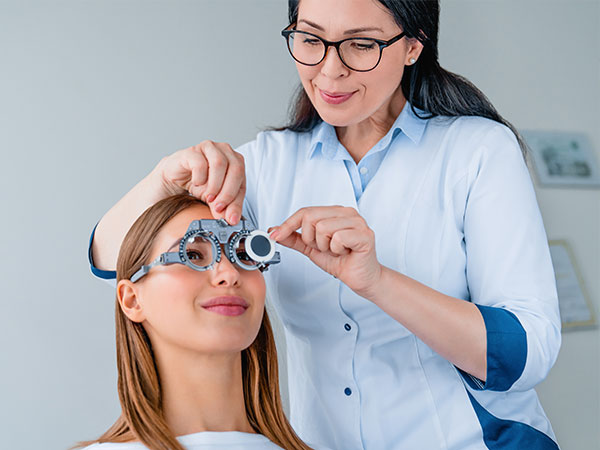
All Eyecare Services
We offer a wide variety of eye care services to the Bedford community. Contact us with any questions about our services.

Keep In Touch
For non-urgent questions or to learn more about our services, contact us today!


Hours Operation
- Monday 8:30am - 6:00pm
- Tuesday 8:00am - 5:00pm
- Wednesday 8:00am - 5:00pm
- Thursday 8:00am - 5:00pm
- Friday Closed
- Saturday Closed
- Sunday Closed
© 2026 Janidlo Optometry. All rights Reserved -Accessibility Statement - Privacy Policy - Sitemap
Powered by 